
When it comes to buying a home, people love to believe they’re making a logical, analytical, well-researched decision. They compare comps, calculate resale value, and analyze price-per-square-foot. And yes, those things matter. But here’s the real secret of real estate: Buyers don’t fall in love with a house in their brain first. They fall in love with it in their body.
Multiple studies show that within the first 10 seconds, most buyers have already formed a lasting emotional impression. Before they’ve seen the upgraded appliances, before they notice the extra closet, and definitely before they ask about utility bills, their subconscious has already whispered, “This feels like home.”
So what’s really happening in those first few magical moments?
Let’s break down the psychology behind it.
1. The Human Brain Makes Lightning-Fast Emotional Decisions
Neuroscientists estimate that up to 95% of purchasing decisions are subconscious, rooted in emotion rather than logic. The homebuying decision is no exception. When buyers walk up to a property or open the front door, their brain is rapidly scanning for:
- Belonging
- Safety
- Familiarity
- Identity
- Comfort
- Future experiences
In mere seconds, their nervous system is asking: “Can I picture my life here?” If the answer is yes, the rest of the showing becomes confirmation bias. They subconsciously look for reasons to justify their emotional attachment. How does this work? Let’s take a look.
2. Sensory Cues Trigger Attachment
So what am I saying here? Those first 10 seconds aren’t about square footage, they’re about feeling.
Buyers react to a house using their senses before they use their logic:
| Sense | Trigger | Emotional Meaning |
| Sight | Lighting, landscaping, color palette, cleanliness | “This feels calm and beautiful.” |
| Smell | Neutral, fresh scents vs. odors | “This home is cared for.” |
| Sound | Quiet street, soft music, lack of echo | “I feel safe and relaxed.” |
| Touch | Warm lighting, soft textiles, natural finishes | “This feels cozy and welcoming.” |
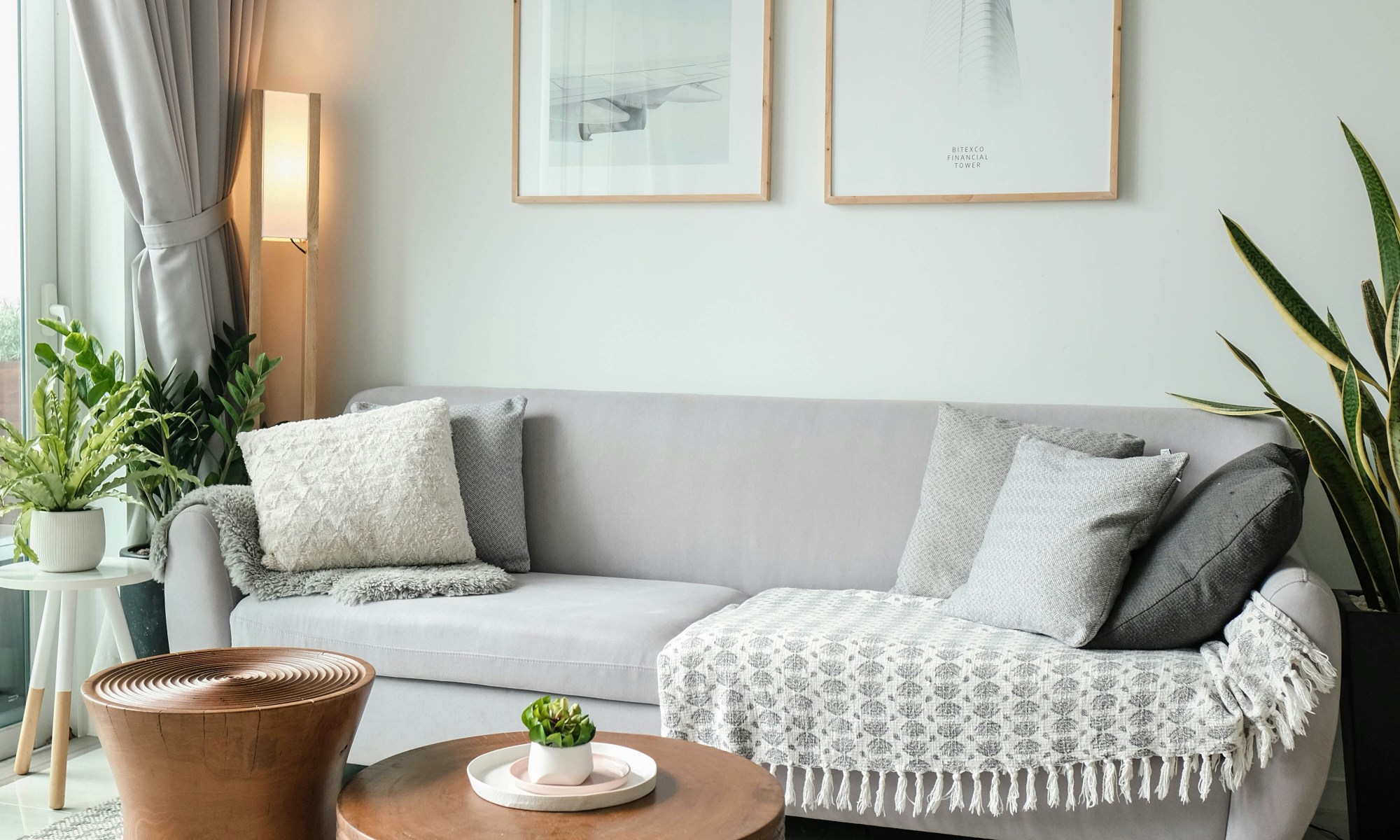
This is why staging is so important. It reduces psychological friction and boosts emotional resonance. An intentionally staged home is one where a buyer walks in and feels AT home, not just in a house.
3. A Home Represents Identity — Present and Future
See, people don’t just buy a home for who they are today. Even if they don’t realize it, they buy it for who they want to become.
- The entertainer wants a big island or deck
- The minimalist wants clean design and storage
- The comfort-seeker wants warm lighting and cozy nooks
- The achiever wants a home that feels like a reward
For home buyers, a house isn’t just a shelter. It’s a mirror of aspiration.
4. Nostalgia and Memory Attachments Kick In
Not only are buyers’ desired futures at play, but memories and nostalgia are also huge tipping points when it comes to decision-making. For example, a space that evokes a positive childhood memory, travel, or past living experiences automatically scores higher on emotional value. And remember, it’s emotions that drive the buyer.
Buyers aren’t comparing houses. They’re comparing feelings they’ve felt before.
Even something small, like a window seat, a tree swing, or a fireplace, can unlock a memory that turns a house into a heart connection.
5. First Impressions Create “Emotional Anchors”
Once a buyer feels an instant connection, they will overlook flaws that would bother them in a home they didn’t bond with.
This psychological pattern is known as emotional anchoring. The brain weighs early feelings more heavily than later information.
That’s how:
- A small closet becomes “no big deal”
- A long commute becomes “manageable”
- A slightly outdated kitchen becomes “an opportunity”
Love makes room for compromise.
So, How Do Sellers Maximize Those First 10 Seconds?
Here are the highest-impact strategies backed by psychology:
- Perfect the exterior: Curb appeal sets the emotional tone. Various studies over the years have shown that buyers often decide on a house within the first 7-10 seconds of seeing the outside.
- Open sight lines: Remove clutter and distractions. Clutter triggers a physical stress response that elevates cortisol, which is the stress hormone. Without even realizing it, Grandpa’s pipe collection is stressing out your potential buyer.
- Use lighting intentionally: Warm, layered light creates a sense of comfort and peace.
- Choose neutral scents: Clean, fresh, and subtle scents play a vital role. Nothing too intense or buyers will think you’re trying to hide something.
- Stage for lifestyle, not furniture display: Less is more when staging a home. Remember, buyers aren’t visualizing living your life in the house; they’re visualizing living theirs.
- Create a “moment” at entry: A console table, art, greenery.
Buyers aren’t buying a structure. They’re buying how it makes them feel about their future.
Final Thought
The phrase “love at first sight” doesn’t just apply to relationships. It also applies to real estate. Homes are emotional purchases disguised as financial ones, and the heart almost always speaks faster than the head.
When a buyer walks in and says: “I can see myself here.”
That’s not decoration or data talking … that’s psychology.
 The Overly Caffeinated Agent