
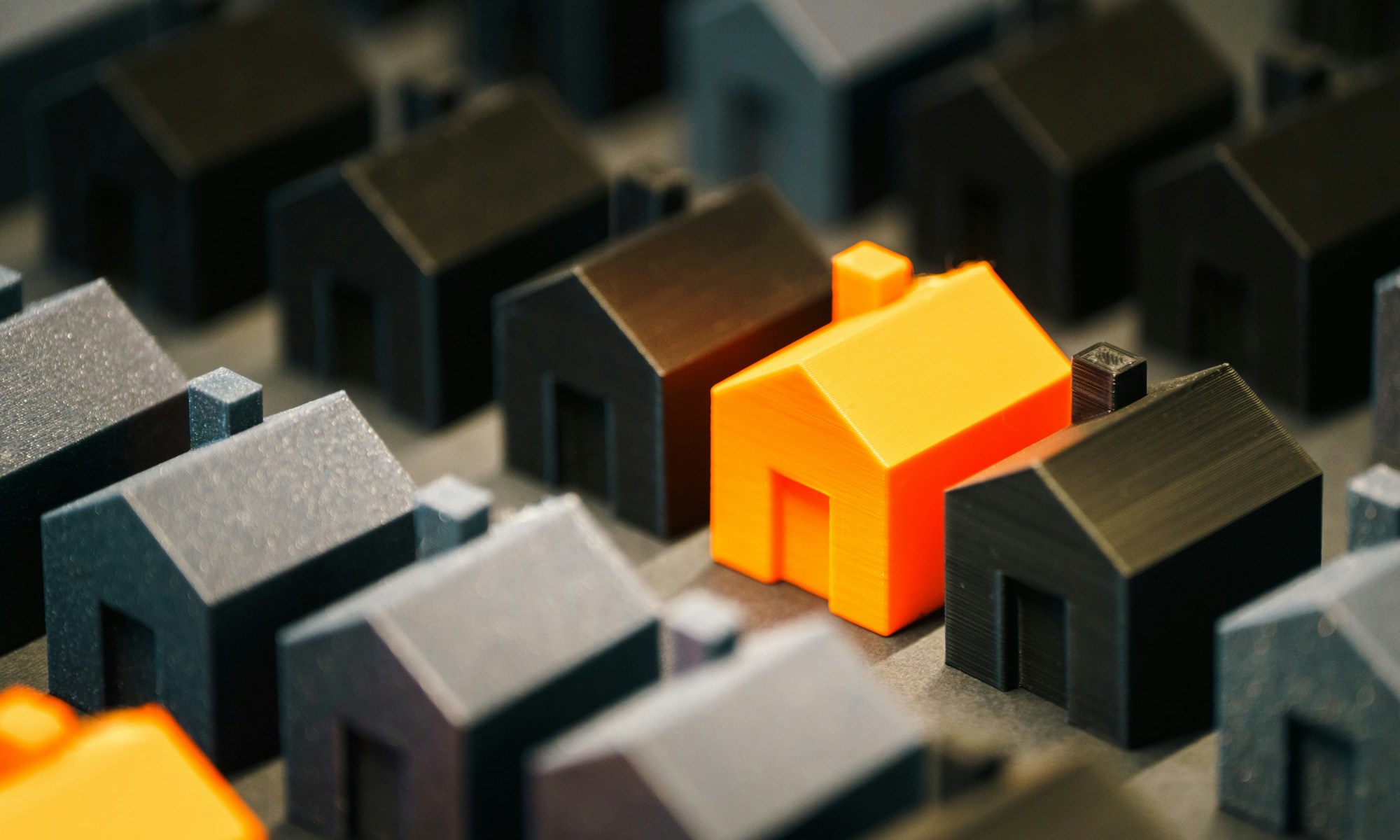
Imagine this: You have found THE ONE. No, not your significant other, but your dream house. This is it. You’ve pictured your couch in the living room, mentally repainted the guest bathroom, and picked out your kids’ future prom picture spot, and suddenly, you go to pull it up to tell your lender to get that pre-approval written, and yet…that listing has mysteriously vanished!
Poof. Gone. Like your willpower at a Home Goods clearance sale.
Welcome to 2025, where Zillow has decided it’s not just a real estate website… It’s a judge, jury, and real estate executioner. Introducing: the Zillow Blacklist.
Apparently, if a listing breaks one of their vague, sacred guidelines, or, God forbid, if the algorithm simply wakes up in a bad mood, your beloved dream home can get yeeted off the platform. Not “sold.” Not “pending.” Just… erased. As if it never existed.
No warning. No closure. Just you, clutching your smartphone, whispering, “But we had plans…”
Why is this happening?
Because 2025 is wild, and Zillow has entered its villain era. They’re cracking down on “non-compliant listings.” Things like duplicate posts, funky square footage math, or too many exclamation points in the description. (Sorry, Karen. “LUXURY!!!” is now a crime.)
But the real twist? Some perfectly normal listings are being removed just because they’re linked to MLS systems or brokerages that aren’t on Zillow’s “approved list.” Translation: The platform drama is messier than a family group text.
Meanwhile, in Zestimate Land…
Let me be real. Part of me is glad lots of people are griping at Zillow right now. It’s never been great at accuracy. And let all the real estate agents say Amen!
Their home value estimates are like mood rings: slightly mystical, mostly wrong. One minute, your house is worth $400K. Next, it’s a $750K “hot home” because you installed a new mailbox, and someone two blocks away sold a pool house with a llama barn.
And yet, this is the tool that shapes how some sellers price their homes. So now you have Betty in the cul-de-sac refusing to list unless she gets “Zillow money,” even though her place still has carpet in the bathrooms and a suspicious odor in the sunroom.
Thanks, algorithm. Really helpful.
However, Zillow does have its place. As an agent, when I list a property, I always check to be sure it’s showing accurately on Zillow after I list on the MLS because I know there are a ton of people out there not working with an agent and instead rely on sites just like Zillow to find their next home.
So yeah, it’s kind of important that Zillow has its crappola together.
What does this mean for buyers?
It means you might need to work with an actual human (gasp)—a real estate agent who can access the listings Zillow ghosted. Remember agents? They’re like Zillow, but they talk back and don’t glitch when you ask too many questions.
And for sellers?
If your home gets blacklisted, don’t panic. Your house isn’t cursed. But your visibility might be. Less exposure = fewer buyers = more time explaining to your spouse why no one has called for a showing.
Also, a gentle reminder: just because your Zestimate says you’re sitting on a real estate goldmine doesn’t mean buyers agree. Or the appraiser. Or reality.
So please, Karen, trust your agent over an algorithm that thought your split-level with zero curb appeal was a luxury estate.
Final Thoughts
In a world where AI decides what we eat, watch, and swipe right on, it’s no shock that it now decides which houses we’re allowed to see. But don’t worry. Somewhere out there, your dream home is still waiting for you—probably on a platform no one uses and listed by a sweet 68-year-old realtor who still prints directions from MapQuest.
Happy house hunting. And may the algorithm be ever in your favor.
 The Overly Caffeinated Agent